
preloader

Mobile App Development

Mobile App Development Services

Build iOS and Android apps that make everyday work easier. We help you choose the right native or cross-platform approach, connect the app to your systems, and prepare it for real users.

Apps for real workflows

Support customers, employees, and teams working in the field.

A fit-for-purpose build

Choose native or cross-platform tools based on the product.

A confident release

Test key journeys and plan updates before launch.

Common application development challenges

Where Application Development Projects Can Get Stuck

A useful application development project should solve real user and business needs without making the systems around it harder to manage. We help teams work through the common issues before they delay progress.

User and business needs
Delivery challenges
Useful outcomes
Pressure point 01

Separate iOS and Android codebases

Maintaining two apps can slow down changes and create different experiences across devices.

Operational impact
Teams may repeat work and spend more time checking feature parity.
How SNWN responds
We compare native and cross-platform options against your features, devices, and team skills.
Pressure point 02

Unreliable use in the field

Mobile users may lose connectivity while travelling or working on site.

Operational impact
Forms and updates can fail when teams need them most.
How SNWN responds
We plan offline access, background sync, and clear recovery for important tasks.
Pressure point 03

Slow or confusing user journeys

A feature-rich app can still be hard to use on a small screen.

Operational impact
Users may abandon tasks or ask for help with routine steps.
How SNWN responds
We keep the main journeys focused and test them on representative devices.
Pressure point 04

App security added late

Weak access rules or unsafe data storage can expose user and business information.

Operational impact
Late fixes can delay release and add avoidable rework.
How SNWN responds
We include identity, data protection, and security checks in the delivery plan.

Core application development capabilities

A Practical Application Development Capability Map

Bring product decisions, engineering, integrations, and ongoing ownership together in a plan that fits your team.

PlanGoals and architecture
BuildProduct and services
ConnectSystems and data
ImproveQuality and support
Capability 01

Native and cross-platform mobile apps

Choose an app approach that balances device features, delivery speed, and long-term ownership.

Practical deliverables

  • iOS apps with Swift and Android apps with Kotlin
  • Cross-platform apps with Flutter or React Native
  • A practical platform recommendation based on your needs
Capability 02

Customer, employee, and field apps

Give each user group a clear mobile experience built around the tasks they need to complete.

Practical deliverables

  • Customer apps and self-service journeys
  • Employee apps for approvals and daily work
  • Field apps with forms, photos, and offline support
Capability 03

Mobile app integrations

Connect mobile features to the business systems and services they depend on.

Practical deliverables

  • Secure API and identity integration
  • Payments, notifications, and device capabilities
  • Reliable sync for connected and offline use
Capability 04

Testing, release, and app support

Prepare the app for launch and make updates easier to manage.

Practical deliverables

  • Device and operating system testing
  • App Store and Google Play release support
  • Crash monitoring and a clear update plan

Practical application development use cases

Application Development Projects That Solve Real Needs

See how mobile app development can support useful, focused workflows across devices.

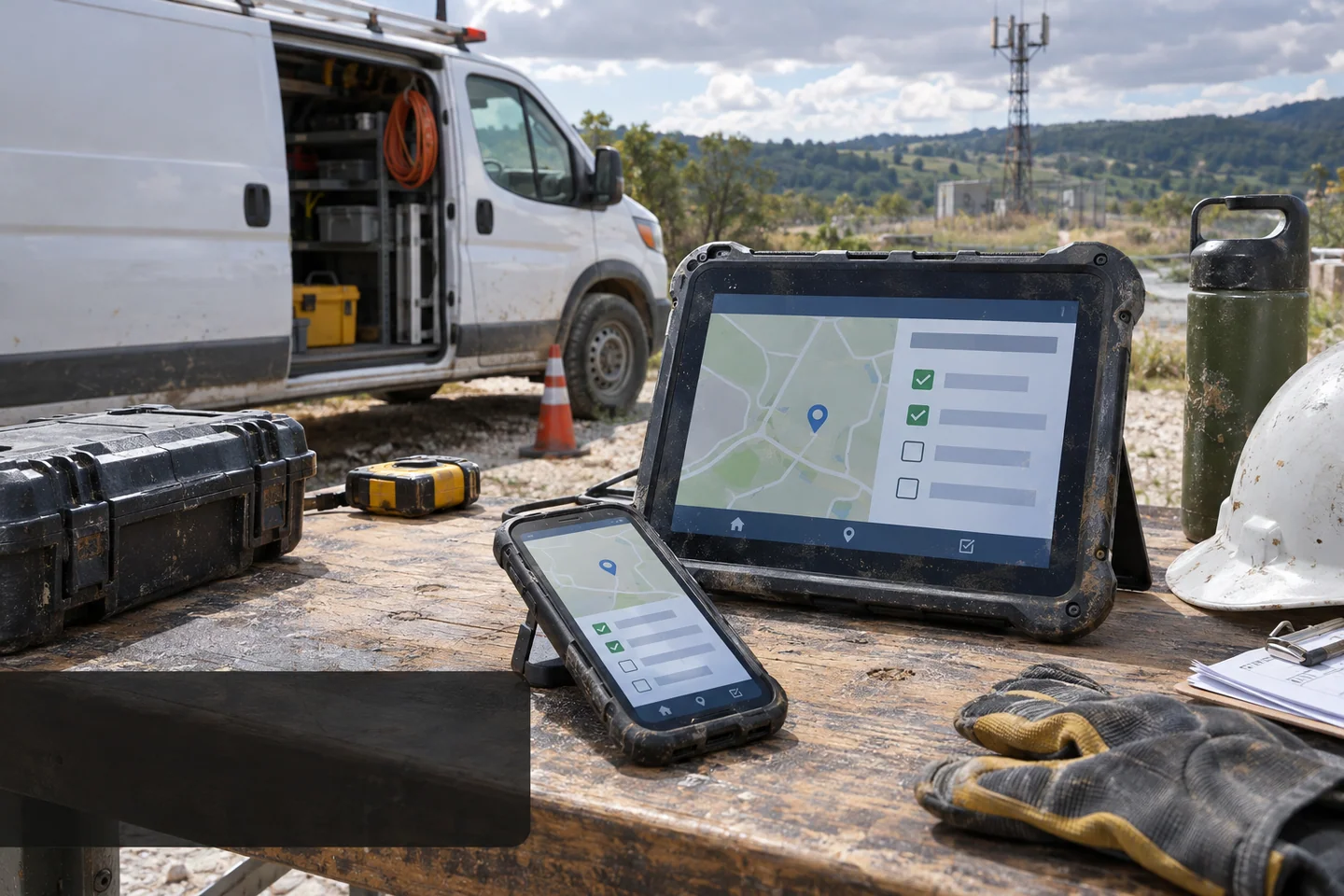
A field technician checking a mobile work app on a rugged tablet beside a service vehicle.
In practiceMobile tools for work in the field.

Select a use case to view its scenario, outcome and delivery steps.

Use Case 01

Launch a customer self-service app

Related: Custom Software Development →

Your team needs a practical way to launch a customer self-service app without creating more disconnected work.

OutcomeGive users a clearer experience and give your team a manageable path to improve application development.
  1. Review

    Map the users, workflows, and systems involved in launch a customer self-service app.

  2. Plan

    Agree on scope, priorities, and the people who will review the work.

  3. Build

    Deliver the first useful increment and connect it to the required services.

  4. Validate

    Check the main user journeys, address feedback, and prepare the next step.

Use Case 02

Give field teams mobile work tools

Related: Enterprise Applications →

Your team needs a practical way to give field teams mobile work tools without creating more disconnected work.

OutcomeGive users a clearer experience and give your team a manageable path to improve application development.
  1. Review

    Map the users, workflows, and systems involved in give field teams mobile work tools.

  2. Plan

    Agree on scope, priorities, and the people who will review the work.

  3. Build

    Deliver the first useful increment and connect it to the required services.

  4. Validate

    Check the main user journeys, address feedback, and prepare the next step.

Use Case 03

Modernize an existing iOS or Android app

Related: API & Backend Development →

Your team needs a practical way to modernize an existing iOS or Android app without creating more disconnected work.

OutcomeGive users a clearer experience and give your team a manageable path to improve application development.
  1. Review

    Map the users, workflows, and systems involved in modernize an existing ios or android app.

  2. Plan

    Agree on scope, priorities, and the people who will review the work.

  3. Build

    Deliver the first useful increment and connect it to the required services.

  4. Validate

    Check the main user journeys, address feedback, and prepare the next step.

A clear step-by-step plan

How We Deliver Application Development Projects

We work in clear stages, review decisions with your team, and prepare the product for ongoing ownership.

Select a step to explore its activities, buyer inputs and outputs.

  1. Step 01

    Discovery and goals

    We learn how the product or service needs to work and agree on the first priorities.

    Engineering Activities

    • Review users, workflows, and existing systems.
    • Set a clear scope and success measures.

    Buyer Inputs

    • Share product goals and known constraints.
    • Connect us with business and technical owners.

    Concrete Outputs

    • A shared scope, priorities, and delivery plan.
  2. Step 02

    Architecture and experience

    We plan the technical approach and user experience before implementation starts.

    Engineering Activities

    • Map data, services, integrations, and key journeys.
    • Review the proposed design and architecture.

    Buyer Inputs

    • Provide relevant brand and system information.
    • Review the plan and confirm priorities.

    Concrete Outputs

    • A solution outline and a sequenced build plan.
  3. Step 03

    Build and integrate

    We deliver work in clear increments and connect the product to the systems it needs.

    Engineering Activities

    • Develop and review working features.
    • Connect APIs, identity, data, and platform services.

    Buyer Inputs

    • Provide agreed access and test environments.
    • Review features and answer product questions.

    Concrete Outputs

    • Testable product increments and documented changes.
  4. Step 04

    Test and launch

    We check important user journeys, integrations, and operating needs before release.

    Engineering Activities

    • Run agreed functional, security, accessibility, or performance checks.
    • Prepare release, monitoring, and rollback steps.

    Buyer Inputs

    • Confirm acceptance criteria and release owners.
    • Coordinate approvals and production access.

    Concrete Outputs

    • Release notes, test findings, and a launch plan.
  5. Step 05

    Support and improve

    We make ownership clear and use feedback to guide the next improvements.

    Engineering Activities

    • Review service health and user feedback.
    • Document support needs and improvement priorities.

    Buyer Inputs

    • Name application owners and support contacts.
    • Share operational feedback and changing needs.

    Concrete Outputs

    • An ownership guide and a practical improvement backlog.

Quality, security, and ownership

Keep Application Development Work Clear and Manageable

Good delivery includes the decisions, checks, and handover that help teams support a product after it launches.

Service scope and boundaries

Before work begins, we confirm the application development scope, systems involved, access needs, review points, release responsibilities, and the people who will own the result.

Clear scope and decisions

Agree on what the team will deliver and how changes will be reviewed.

  • Keep priorities visible and connected to user needs.
  • Document important architecture and product decisions.

Quality built into delivery

Check the product as it is built so teams can address issues early.

  • Test important workflows and system connections.
  • Include relevant security and accessibility checks.

Ready for ongoing ownership

Make the transition from delivery to everyday support clear.

  • Document service owners and support routes.
  • Prepare release notes and a follow-up backlog.

Project readiness checklist

Application Development Project Readiness Checklist

Use these checks to prepare for a useful first conversation and help your team bring the right information together.

Product and users

2 checks
  • Main users and devices are identified
  • App Store or private distribution needs are clear

Technology and integration

2 checks
  • Offline and network requirements are understood
  • Required APIs and identity systems are listed

Delivery and ownership

2 checks
  • Security and data handling needs are agreed
  • Release owners and support contacts are named

Common questions

Frequently Asked Questions About Application Development

Simple answers to common questions about planning, building, and supporting your product.

What is included in mobile app development?

The work can include discovery, design, architecture, development, integration, testing, and release support. We agree the scope around your users, systems, and product goals.

How do you choose the right technologies?

We consider what the product needs to do, the systems it must connect to, and what your team can support. We explain the tradeoffs before recommending an approach.

Can you work with our existing systems and team?

Yes. We can work alongside your developers, improve an existing application, or take on a defined part of the project. We first review how the current product is built and supported.

How do you handle testing and security?

We plan checks around the product and its risks. Depending on scope, this can include functional, integration, accessibility, performance, and security testing before release.

Talk with our team

Plan Your Next Application Development Project

Tell us what you are building or improving. We can help you understand the options and agree on a practical next step for application development.